Author: chesilly

  • Uk Workers Rights For Filipino Yayas & Housekeepers

    Uk Workers Rights For Filipino Yayas & Housekeepers

    In the United Kingdom, Filipino domestic workers, commonly referred to as yayas (nannies) and housekeepers, play a vital role in many households, providing childcare, cleaning, cooking, and even elderly care. Despite their contributions, many are unaware of their full rights under UK law, leaving them vulnerable to exploitation. This blog aims to educate Filipino domestic workers and their employers about key employment rights in the UK, ensuring dignity, fairness, and lawful working conditions.

    Who Are Domestic Workers?

    Domestic workers include nannies, housekeepers, cooks, carers, and other staff employed to work in a private household. Many Filipino workers come to the UK through the Overseas Domestic Worker (ODW) visa, or by accompanying their employers from overseas.

    Regardless of visa status, anyone working in the UK has specific rights and protections under employment law, especially those who live and work in someone’s home.

    Key Workers’ Rights Under UK Law

    1. National Minimum Wage (NMW)

    All domestic workers, including live-in staff, are entitled to the National Minimum Wage or the National Living Wage (depending on their age). As of April 2025, the National Living Wage for workers aged 21 and over is £11.44 per hour. Even if you receive accommodation and food, employers must not pay below the legal hourly wage, except for a small accommodation offset.


    Important: It is illegal for an employer to deduct unreasonable amounts from wages for accommodation or food.


    2.Paid Holidays

    Domestic workers are entitled to at least 28 days of paid holiday per year (including public holidays). This applies whether you work full-time or part-time. Holidays should be planned in consultation with the employer, but workers should not be denied this right.


    3.Rest Breaks and Working Hours

    Under the Working Time Regulations:

    • Workers should not work more than 48 hours per week on average unless they voluntarily opt out.
    • Workers are entitled to 11 hours of rest between working days.
    • You are also entitled to one full day off per week, or two days every fortnight.
    • For shifts over 6 hours, workers should receive a 20-minute rest break.

      4. Protection Against Abuse and Exploitation

    The UK has strict laws against modern slavery, trafficking, and forced labour. It is illegal for employers to:

    • Confiscate passports or restrict movement
    • Withhold wages or force long, unpaid hours
    • Threaten or intimidate workers
    • Isolate workers from the outside world

    If you experience any of these, you can report it to the police or the Modern Slavery Helpline (0800 0121 700).


    5. Sick Pay and Maternity Rights

    If you fall ill and meet eligibility criteria (e.g., earnings threshold), you may be entitled to Statutory Sick Pay (SSP). This is currently £116.75 per week (as of 2025) for up to 28 weeks.

    Pregnant domestic workers may qualify for Statutory Maternity Pay or Maternity Allowance, and have the right to 52 weeks of maternity leave (39 weeks paid if eligible). During pregnancy, employers must also ensure the work is safe and make adjustments as needed.


    6. Right to a Written Contract

    All workers have the right to a written employment contract or statement of employment, outlining job responsibilities, pay, hours, and conditions. This must be provided on or before the first day of work.


    7. Protection from Unfair Dismissal

    After 2 years of continuous employment, domestic workers gain protection from unfair dismissal. However, even before that period, you are protected from discriminatory dismissal (e.g., based on race, gender, religion, or pregnancy).

    For Live-In Domestic Workers

    Some employers provide accommodation and food in exchange for domestic help. This is common in households employing live-in yayas. While this can be a practical setup, it must still comply with UK labour laws.

    Even if you live with your employer:

    • You must not be on-call 24/7
    • You still have the right to rest, privacy, and free time
    • Any deductions for accommodation must follow legal limits

    Migrant Domestic Workers Visa (ODW Visa)

    Filipinos entering the UK on a Migrant Domestic Worker visa are allowed to:

    • Change employers (within the 6-month visa period)
    • Work as a live-in or live-out domestic worker
    • Report abuse or exploitation without fear of immediate deportation

    However, this visa is not renewable and does not lead to permanent residence. Campaigns are ongoing to improve protections and extend visa rights.

    What to Do If Your Rights Are Violated

    If you’re a Filipino domestic worker facing abuse, underpayment, or poor working conditions, you are not alone. There are organizations that can help:

    • Kalayaan (for migrant domestic workers)
      Website: www.kalayaan.org.uk
      Tel: 020 7243 2942
    • Citizens Advice Bureau – Offers free legal advice
    • ACAS (Advisory, Conciliation and Arbitration Service) – 0300 123 1100
    • Modern Slavery Helpline – 0800 0121 700 (confidential, 24/7)

    Final Thoughts

    Every Filipino yaya or housekeeper in the UK deserves to be treated with respect and fairness. Knowing your rights is the first step to empowerment. Employers, too, must take responsibility to ensure lawful, humane treatment of domestic staff.

    If you’re a domestic worker, speak up, stay informed, and reach out if something feels wrong. And if you’re an employer, respect, fair pay, and dignity should be the foundation of any domestic working relationship.

  • 4 Must-Know Childcare Hacks Every Parent Should Try

    4 Must-Know Childcare Hacks Every Parent Should Try

    Parenting isn’t always easy. When you’re juggling work, life, and trying to keep little ones happy, healthy, and tantrum-free, it can get overwhelming. Whether you’re a new parent or just need a reset, a few simple childcare strategies can make your days run smoother.</p?

    At House of Yaya, we work closely with experienced nannies and families across Dubai, and we’ve noticed a common theme. The most effective parenting tips are usually the simplest.

    Here are 4 must-know childcare hacks that can make a real difference in your daily routine and your child’s development.

    1. Routine = Happy Kiddos

    routine happy care


    Consistency is everything when it comes to childcare.

    Children thrive on predictable routines. When meals, naps, and bedtimes happen at the same time each day, kids feel safe, secure, and in control. This often leads to fewer tantrums and better behavior overall.

    💡Try this:
    Set a simple schedule. Breakfast at 8 AM, nap at 12:30 PM, bedtime by 7 PM. Stick with it, even on weekends. You’ll be amazed how quickly kids fall into rhythm.

    If you’re working with a nanny or caregiver, be sure to share the routine clearly. At House of Yaya, we always match families with nannies who understand the importance of daily structure, especially during big changes like moving or starting school.

    2. Let Them Play Solo


    Not every moment needs to be scheduled or supervised.

    Independent play is one of the most powerful and underrated tools in a child’s development. It helps build focus, creativity, problem-solving skills, and confidence. It also gives you a few much-needed minutes to catch your breath.

    💡 Try this:
    Create a “yes space.” Set up a safe area with age-appropriate toys where your child can explore freely without constant redirection.

    Encouraging solo play doesn’t mean ignoring your child. It means giving them the chance to explore the world on their own terms. This is something our nannies at House of Yaya are trained to support, especially with toddlers and preschoolers.

    3.Hype Them Up


    When you notice good behavior, name it and praise it.

    Positive reinforcement works wonders. Saying “You shared your toy so nicely” is far more effective than focusing only on what went wrong.

    Children often repeat the behaviors that get attention. So give your energy to the good stuff.

    💡 Try this:
    Use specific praise. “You put your shoes on all by yourself” is better than just saying “Good job.” This helps kids know exactly what they did well and encourages them to keep it up.

    At House of Yaya, we encourage all caregivers to use praise as a tool for building trust and guiding behavior in a gentle, supportive way.

    4. Keep It Short and Sweet


    Long lectures don’t work on little ones. Most young children tune out after a few seconds.

    Instead of explaining for five minutes why they shouldn’t run, try short and clear phrases like “Let’s walk” or “Feet on the ground.”

    💡 Try this:
    Use short, positive commands:
    ✅ “Hands to yourself.”
    ✅ “Inside voice.”
    ✅ “Let’s tidy up.”

    These simple, clear instructions are easier for children to understand and follow. Especially when they’re feeling overwhelmed or distracted.

    A Final Word for Parents

    Parenting doesn’t come with a manual. But these little hacks can make a big impact. Whether you’re a stay-at-home parent or working with a professional nanny, the key is to create a calm, supportive environment where your child can grow with confidence.

    And if you’re looking for a nanny who already understands these strategies, House of Yaya is here to help. We connect families across Dubai with experienced, nurturing nannies who truly understand children and what they need.

    Ready for less stress and more smiles?

    Let us help you find the right nanny for your family. Visit House of Yaya to learn more about our tailored nanny services in Dubai.

  • Nannies Most Common Behavioral Questions (And How To Handle Them Like A Pro)

    Nannies Most Common Behavioral Questions (And How To Handle Them Like A Pro)

    Whether you’re new to nannying or have years of experience, certain behavioral questions come up time and time again. You’re not alone if you’ve ever wondered how to handle a meltdown in the middle of the grocery store or struggled with a child who simply won’t listen. These moments can be challenging, but with the right approach, they’re also opportunities to grow your skills, strengthen your bond with the child, and shine as a caregiver.

    Let’s walk through some of the most common questions nannies ask when it comes to child behavior and share real-world, practical tips to help you feel calm, confident, and in control.

    1. “How do I handletantrums in public?”

    This is one of the most dreaded scenarios for any caregiver. You’re at Target. The toddler you’re watching is suddenly sprawled on the floor, red-faced and screaming because you said “no” to a toy. Heads turn. Your heart races. What now?

    Tip: Stay calm and composed.
    Easier said than done, right? But the truth is, kids feed off the energy of the adults around them. If you panic, get flustered, or start negotiating desperately, the tantrum can escalate. But if you stay grounded, speak in a soft voice, get on their level, and offer a simple, clear choice like “We can take three deep breaths or we can head to the car,” you send a powerful message of safety and control.

    Take a deep breath. You’re doing your job. Tantrums aren’t failures. They’re a normal part of development. What matters most is how you respond. Your calm is their anchor.

    2.“What should I do if a child refuses to listen?”

    You’ve asked them to put on their shoes again. You’ve reminded them to clean up the blocks again. They either ignore you completely or throw out a defiant “No!” Sound familiar?

    Tip: Use positive reinforcement.
    Rather than focusing only on what not to do, try shifting your energy to highlight what is going well. Praise the behavior you want to see more of, and be specific. Instead of saying “Good job,” say “I really liked how you put your shoes on the first time I asked. That was super helpful.”

    Positive reinforcement isn’t about being overly sugary or fake. It’s about encouraging the good and making it more likely to happen again. Kids thrive on attention, and when that attention is focused on their positive actions, they’re much more likely to repeat them.

    Also, consider the root of the “not listening” behavior. Are they tired? Hungry? Overstimulated? Sometimes, misbehavior is just communication in disguise.

    3.“How can I manage separation anxiety?”

    You arrive for the day, and the child clings to their parent like a barnacle. Tears. Begging. Maybe even full-on sobbing. You feel helpless and maybe even guilty. It’s hard for everyone.

    Tip: Build trust and a goodbye routine.
    Separation anxiety is common, especially in toddlers and preschoolers. What they need most during this time is consistency and trust. If you and the parents can establish a simple, predictable goodbye routine like a special hug, a wave at the window, or even a “See you after your snack,” that pattern creates safety and comfort.

    Try not to sneak away. That often makes it worse. Instead, focus on helping the child feel secure in your presence. Play a familiar game, sing a favorite song, or bring out a beloved toy as a transition.

    And remember, the tears usually stop within minutes of the parent leaving. You’re not doing anything wrong. In fact, the fact that they’re sad says they’re attached, which is actually a good thing. Your job is to gently guide them toward building a secure attachment with you too.

    4.“What if I’m not doing it ‘right’?”

    Okay, this isn’t on the slide, but it’s one of the most unspoken, universal questions nannies ask themselves.

    Here’s the truth: There’s no such thing as perfect.
    Every child is different. Every family is different. Some days will be smooth, others will feel like a marathon of snack negotiations, spilled juice, and repeated episodes of Bluey. But if you’re showing up with love, patience, and a willingness to learn, you are doing great.

    Give yourself grace. Reach out to other nannies or caregivers to share stories and tips. Learn from the tough moments. Celebrate the wins, even the small ones like getting out the door on time with everyone wearing two shoes.

    5. You’ve Got This!

    Being a nanny isn’t easy. You juggle playtime and discipline, learning and fun, safety and silliness, all while keeping tiny humans alive and thriving. It’s a job that requires heart, humor, patience, and a whole lot of creativity.

    So the next time you find yourself navigating a tantrum in aisle 7 or wondering why that sweet 4-year-old is giving you the silent treatment, remember this:

    You’re not alone. These challenges are part of the job and you’re growing through them.

    You’ve got this. Truly.

    Want More Tips Like These?
    Follow along for weekly nanny advice, behavioral hacks, and relatable stories from the field. Whether you’re a full-time nanny, a part-time babysitter, or just love working with kids, there’s always more to learn and laugh about together.

  • Screen-Free Kids Are Winning, Here’s Why

    Screen-Free Kids Are Winning, Here’s Why

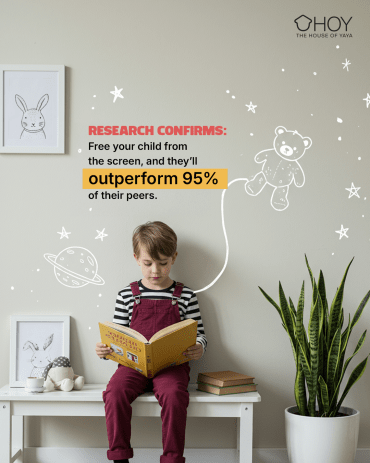
    The research is clear. When you reduce your child’s screen time, you’re giving them a huge advantage. Kids who spend more time playing, exploring, and engaging with people rather than screens tend to develop faster. They focus better, express emotions more clearly, and show stronger learning skills. In fact, many of them outperform 95% of their peers.

    That’s powerful. And as a parent, it’s also a little overwhelming.

    We all want what’s best for our children. We want them to grow into kind, confident, and capable humans. But life is busy. Screens are easy. They keep the peace when you’re making dinner, finishing a work call, or just trying to breathe for five minutes. So how do we give our kids the screen-free childhood they deserve without burning ourselves out?

    That’s where House of Yaya comes in.

    Real Help for Real Parents

    We’re not just a nanny agency. We’re a community of caregivers who believe in giving kids a richer, fuller childhood. At House of Yaya, our nannies are trained to nurture creativity, encourage curiosity, and support emotional growth. They don’t just watch kids. They connect with them.

    While screens can keep kids quiet, they don’t build imagination. They don’t help with social skills or emotional regulation. They don’t spark questions or invite messy, joyful play. That kind of learning comes from real-world experiences. It comes from story time on the couch, building forts out of cushions, drawing with sidewalk chalk, dancing in the living room, or chasing butterflies outside.

    Our nannies create those moments.

    They show up with energy, ideas, and a love for hands-on learning. Whether it’s baking banana bread, planting flowers, doing crafts, or learning letters through play, your child gets the kind of care that leaves them feeling seen, engaged, and happy.

    Why Screen-Free Makes Such a Difference

    It’s not just about cutting out technology. It’s about making space for what really matters. Kids who spend less time on screens tend to sleep better, show stronger language skills, and develop more empathy. They’re more likely to stay curious, focus longer, and form deeper relationships.

    And the best part? It’s not about being perfect. You don’t have to go screen-free 24/7. Even reducing screen time by a few hours a week can have a real impact. Especially when those hours are replaced with meaningful, one-on-one attention from a caregiver who genuinely cares.

    Imagine This

    You walk in the door after a long day. Your child runs up to you, excited to show you the story they wrote or the clay dinosaur they made. They’ve spent the afternoon talking, laughing, playing, and learning. They’re tired in the best way, not from staring at a screen, but from using their imagination. And you didn’t have to make it all happen by yourself.

    That’s the support House of Yaya offers.

    We match you with a nanny who fits your family’s values and rhythms. Someone who can help you give your child the kind of childhood they’ll remember, the kind full of connection, discovery, and joy.

    Let’s Raise Kids Who Are Fully Alive

    Screens will always be around. But they don’t have to shape your child’s early years. There’s a better way. A slower, more thoughtful way. A way that lets kids be kids, and lets parents breathe a little easier.

    At House of Yaya, we’re here to help you make that shift. Let us take the pressure off while your child plays, grows, and learns in the real world.

    Ready to unplug and reconnect?

    Let’s find your perfect nanny today.

  • Take The Trip, Make The Memory: Why Experiences Last Longer Than Things

    Take The Trip, Make The Memory: Why Experiences Last Longer Than Things

    Think back to your childhood. What stands out the most?

    Was it the shiny new toy you unwrapped on your 10th birthday, the awkward speech you gave at your school assembly, or the time your family packed the car and drove for hours just to watch the sunset over the mountains?

    Chances are, it’s the trip you remember.

    Science supports this phenomenon. Multiple psychological studies have confirmed that experiences, especially ones involving travel, create stronger, longer-lasting memories than material gifts or routine events. While birthdays and school achievements matter, the adventures we embark on stay with us in vivid detail. They’re relived in conversations, photographs, and quiet moments of nostalgia. These experiences shape who we become.

    At the House of Yaya, this insight fuels everything we do. We believe that travel isn’t a luxury. It’s a pathway to connection, reflection, and unforgettable moments.


    The Science Behind Travel Memories

    Psychologists have long studied why we remember certain things better than others. A recurring conclusion is this: emotionally rich, novel, and immersive experiences tend to activate multiple areas of the brain. In contrast, routine or expected events fade faster because they don’t require as much mental processing.

    Trips, by their very nature, are packed with novelty. New surroundings, unfamiliar cultures, different foods, and surprising challenges force the brain to work harder and remember more. A hike through a rainforest, a cooking class in a small village, or an impromptu dance party on a beach can all stimulate the senses and create memories that endure.

    Experiences also offer a sense of identity. People who travel frequently are not just collecting passport stamps. They’re weaving a personal narrative. “I climbed that mountain.” “I met that local artisan.” “I got lost but found the best street food ever.” These aren’t just stories. They become part of who we are.


    10th birthday


    Memories Are the Real Souvenirs

    It’s easy to think that the perfect birthday gift or the biggest party will be the most memorable. But research shows otherwise. Material possessions offer short bursts of happiness, while experiences create lasting joy. Why? Because people tend to relive experiences over time. They’re shared with others, reflected upon, and even embellished with meaning.

    In contrast, material gifts are often forgotten or replaced. The toy you received on your 10th birthday might be long gone, but the day you fed elephants in Thailand or saw the Northern Lights in Iceland is likely etched in your mind forever.

    At the House of Yaya, we hear this all the time from our travelers. One guest recently shared that she couldn’t recall what she got for her last two birthdays, but she vividly remembered the three-day trek we led in the Ethiopian Highlands. That trip included morning coffee brewed over an open fire and nights spent under starry skies. That’s the power of intentional travel.


    school speech


    Why Travel Matters Now More Than Ever

    In a world increasingly dominated by screens and routines, intentional disconnection is a gift. Travel forces us to unplug. It compels us to be present. And in those present moments, whether on a crowded train in a new city, during a sunset yoga session on a rooftop, or laughing with strangers who quickly become friends, memories are formed.

    Travel also brings people together. It turns couples into teammates, families into explorers, and strangers into lifelong companions. These shared experiences are powerful bonding tools that strengthen relationships and create collective memories that are cherished for years.

    Many guests at House of Yaya choose our curated retreats not just for the adventure, but for the opportunity to reconnect with loved ones, with nature, and with themselves. Whether it’s a meditative forest walk in East Africa or a cultural immersion in the heart of Morocco, our trips are designed to create meaningful experiences that outlast any material souvenir.


    science says


    Take the Trip. Make a Memory.

    It’s easy to delay travel. We tell ourselves we’ll go next year, when the timing is better, or when we’ve saved just a little more. But time moves quickly, and the perfect moment rarely announces itself.

    Birthdays, jobs, and obligations come and go. But the memories you make on a meaningful journey are the ones that last.

    So ask yourself: What would you rather look back on? A perfectly planned party, or a life-changing adventure?

    House of Yaya invites you to choose the latter. Our mission is simple. We create transformative travel experiences that leave you enriched, awakened, and inspired. We take care of the logistics, the lodging, and the local connections so all you need to focus on is being present, exploring fully, and making memories that truly matter.

    Whether you’re planning a solo escape, a romantic getaway, or a family retreat, we have experiences crafted to meet you where you are and take you where you want to grow.

    Because in the end, it won’t be the shoes you wore or the gadgets you owned that you remember.


    make the memory


    It will be a sunrise hike.
    The taste of a spice you can’t pronounce.
    The sound of drums echoing through the valley.
    The people you met.
    The way you felt.

    Take the trip. Make the memory. With the House of Yaya.